
Will Stainless Steel Rust?
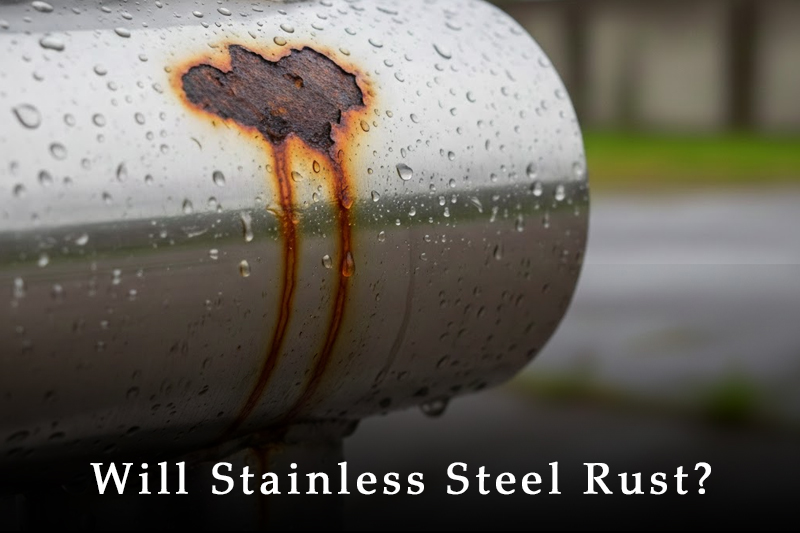
Date : Jan 20, 2026Stainless steel is resistant to rust and corrosion much better than normal carbon steel although there are situations when corrosion may occur due to the improper type or environment.
Why Stainless Steel Generally Does Not Rust?
Stainless steel has a minimum of 10.5% chromium which reacts with oxygen to create an invisible coating on the surface that is thin and protective. This coating is called a passive film, and it does not allow moisture and air to reach the metal substrate.
The main advantages of such passive layer are:
- Self-healing when scratched
- Protects against oxidation
- Increases resistance to corrosion.
Can Stainless Steel Rust Over Time?
Yes, stainless steel rusts under certain conditions like these:
- The wrong grade is used
- The environment is extremely harsh
- Surface contamination occurs
Rusting never affects the quality of stainless steel, and is usually caused by a wrong selection of grade or condition.
Common Reasons Stainless Steel Rusts
1. Exposure to Chlorides
Environmental chlorides harm the lower-grade stainless steel because of salt water and coastal air. Solution: Use 316 stainless steel round bars rather than 304 in marine or coastal environments.
2. Poor Grade Selection
Stainless steel grades have different corrosion resistance.
- Highly resists corrosion -304 / 316
- Resist corrosion in a moderate way - 410 / 420 / 430
Solution: Match grade with the application.
3. Surface Contamination
Iron particles, dirt, and other foreign objects to the coating can cause damage. Solution: Clean, pickle, and passivate.
4. Low Oxygen Environments
The chromium layer may not be reformed in stagnant, enclosed environments. Solution: Require to the long exposure are air use higher alloy grades.
Which Stainless Steel Are Most Rust-Resistant?
The Simple comparison for buyers:
| Grade | Rust Resistance | Typical Use |
|---|---|---|
| 304 | Good | General industrial use |
| 316 | Excellent | Marine & chemical |
| 410 | Moderate | Tools & shafts |
| 430 | Moderate | Decorative & indoor |
Does Stainless Steel Are Rust More Than Other Metals?
Compared to:
- Carbon steel - Rusts easily
- Mild steel - Requires coatings
- Stainless steel - Generally, corrosion resistant to corrosion
Stainless steel round bars become an ideal choice for applications needing little maintenance over time.
How can Prevent Rust on Stainless Steel
- Select the appropriate grade
- Should not come into contact with carbon steel
- Clean regularly
- Use passivated or polished finishes
- Store in dry conditions
Conclusion
Does stainless steel rust?
- Under normal conditions - No.
- Under extreme or incorrect usage - Yes, but it is preventable.
Choose the proper grade for stainless steel round bar, ensure surface integrity in order to resist corrosion, and know about the surrounding environment.
RoundBars.co.in provides stainless steel round bars of premium-quality for industrial, marine, and structural applications.